Ongoing project (completion: June 2026)
Ongoing project
Home monitoring for cancer patients
Home monitoring for cancer patients
Home monitoring for cancer patients
brief.
brief.
Patients undergoing cancer treatment often experience symptoms such as fatigue, pain, and brain fog, making consistent home tracking and medication adherence difficult. At the same time, healthcare systems lack continuity into patients’ daily experiences, leading to fragmented communication where patients need to repeat same information several times. This design process explores accessible ways to externalize symptoms and reduce cognitive burden through embodied interaction. The project is resulting in a hand-based wearable that uses simple gestures to log symptoms with non-friction, alongside vital sign monitoring and medication reminders, as well as a digital ecosystem for a more integrated communication in care.
Patients undergoing cancer treatment often experience symptoms such as fatigue, pain, and brain fog, making consistent home tracking and medication adherence difficult. At the same time, healthcare systems lack continuity into patients’ daily experiences, leading to fragmented communication where patients need to repeat same information several times. This design process explores accessible ways to externalize symptoms and reduce cognitive burden through embodied interaction. The project is resulting in a hand-based wearable that uses simple gestures to log symptoms with non-friction, alongside vital sign monitoring and medication reminders, as well as a digital ecosystem for a more integrated communication in care.
thanks to.
thanks to.
This project is an individual proposal developed within the ResFut master’s program. Thanks to the guidance by the UA design professors and the collaboration by the oncology team at Hospital Baixa de Aveiro.
This project is an individual proposal developed within the ResFut master’s program. Thanks to the guidance by the UA design professors and the collaboration by the oncology team at Hospital Baixa de Aveiro.

Figure 1. First hand-wearable prototype.
Figure 1. First hand-wearable prototype.


Figure 2. How it works sketch / Figure 3. System and value sketch.
Figure 2. How it works sketch / Figure 3. System and value sketch.
design process.
design process.


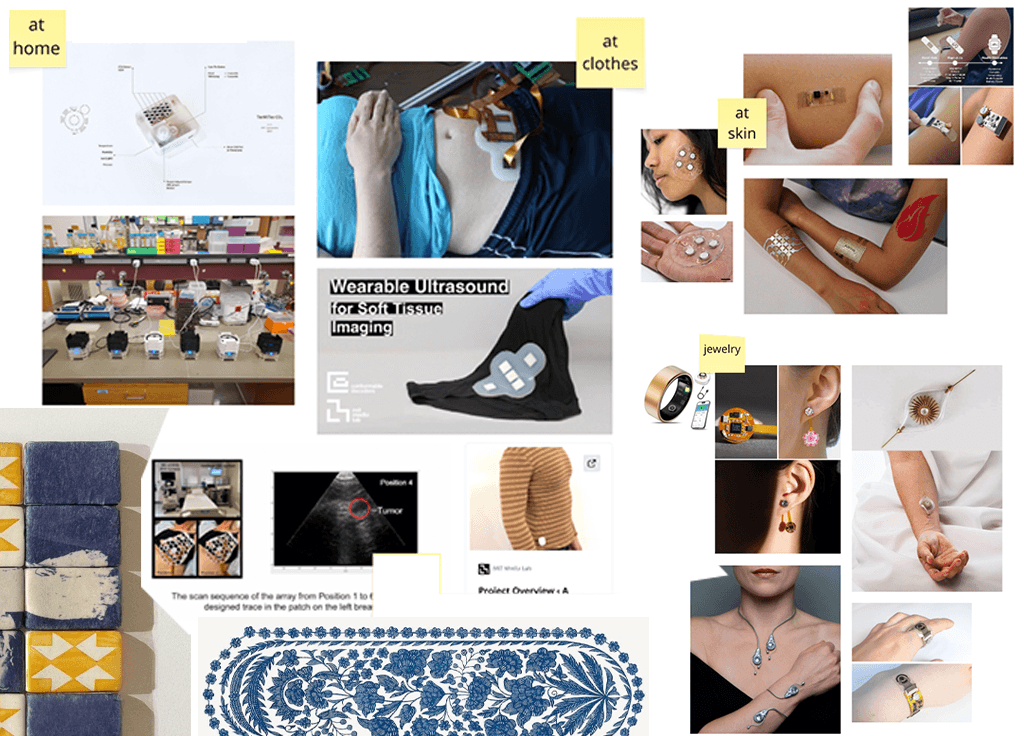
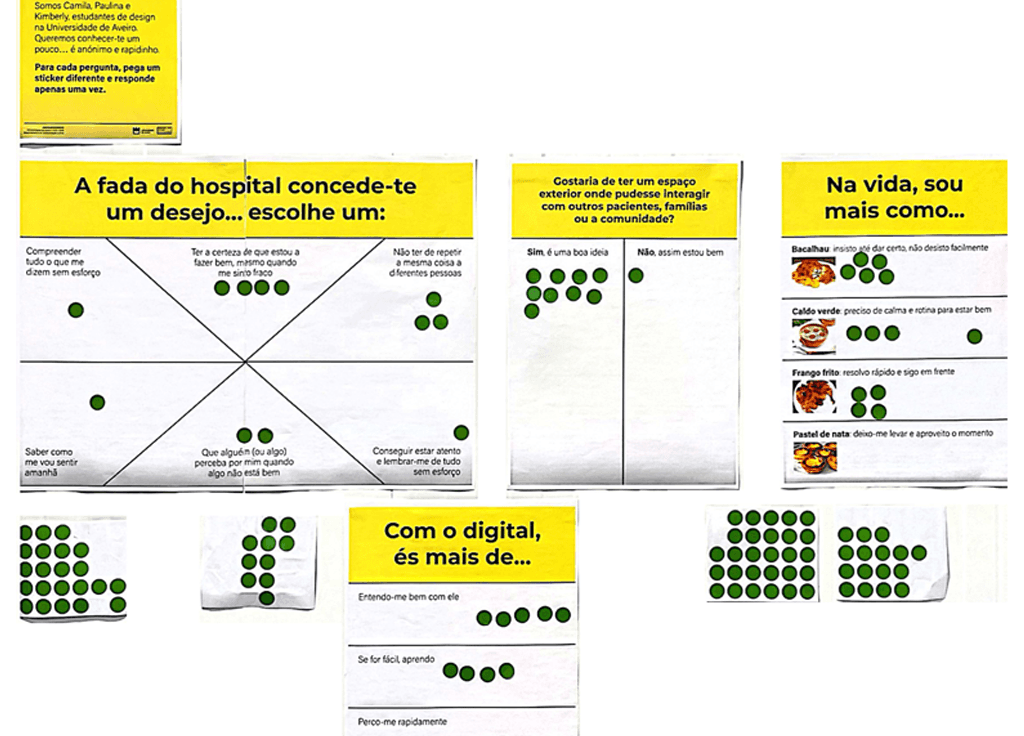

Figure 4. Research framework / Figure 5. Systematic and technological revision / Figure 6. Benchmarking / Figure 7. Participative patients tool / Figure 8. Sketching.
Figure 4. Research framework / Figure 5. Systematic and technological revision / Figure 6. Benchmarking / Figure 7. Participative patients tool / Figure 8. Sketching.
Curious about what we can create together?
Curious about what we can create together?
kimberly.castro.ba@gmail.com
©2026
©2026
